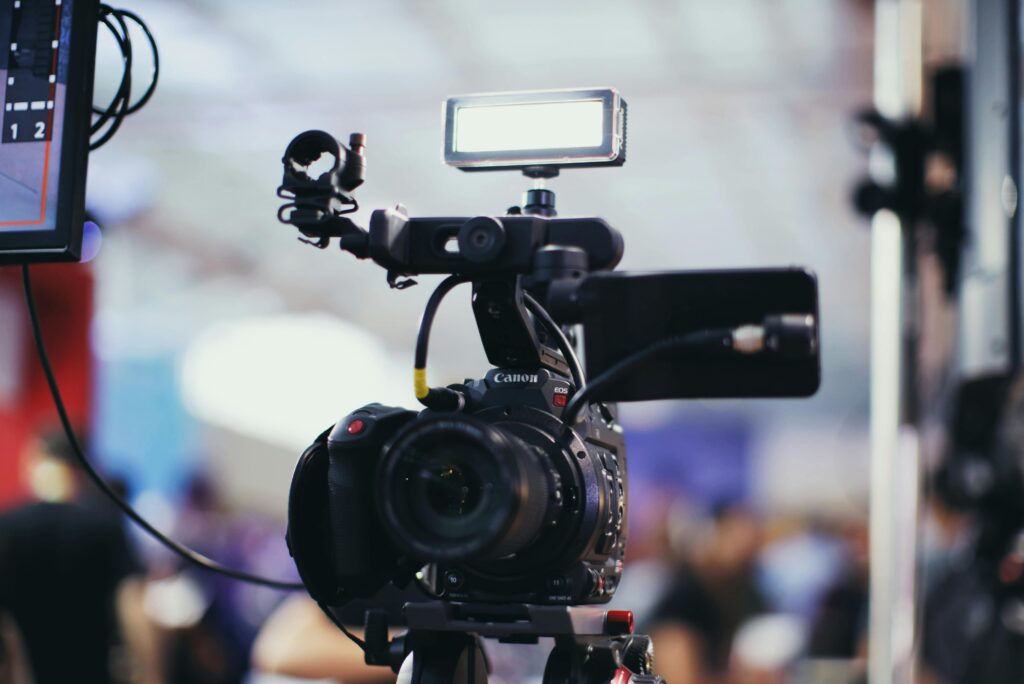
DIY Porn: Tips for Your First Porn Shoot
Do you love browsing different porn genres? Are you fascinated by the diversity portrayed in porn and the expressive power of the imagery? Maybe you’ve been thinking for a while: I want to try making a porn film myself!
Turning that bold idea, along with all those wild concepts and fantasies, into something real isn’t always easy. Here are a few tips to help you get started with your first porn project.
1 – Safety, Consent, and Publishing
Bevor wir uns mit technischen Details beschäftigen, ist es wichtig, sich damit auseinanderzusetzen, was es für die Darsteller*innen (dich selbst?) braucht, um sich während des Drehs und danach sicher zu fühlen.
Before diving into technical details, it’s important to think about what performers (including yourself) need in order to feel safe during and after the shoot. First ask yourself: is this just for fun and for your own enjoyment? Or do you plan to publish your work afterward? If you intend to share it online, everyone involved needs to clearly agree that the footage may be published and that faces (if visible) could remain discoverable on the internet indefinitely. Still keen? Then go for it! But make sure to always keep a written record of the terms and use you agreed upon, including revenue splitting.
Make sure everyone is STI-tested, and agree on which barrier methods—such as condoms or dental dams—you want to use to feel safe with each other.
Have a clear consent and boundary conversation beforehand. This applies whether you are filming together for the first time or already have experience being intimate together.
It’s also a good idea to check in again on the day of the shoot. Moods and needs can change, and it’s completely fine to adjust the plan—or even postpone the shoot if necessary.
2 –Artistic Vision: Scripted or Spontaneous?
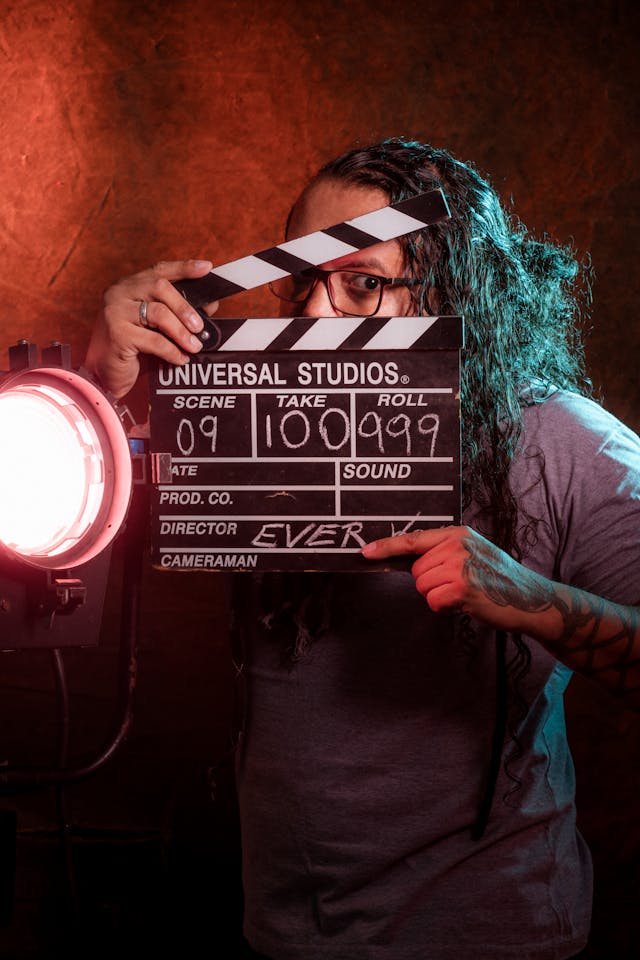
What is your artistic vision? Do you have a clear script that everyone should follow? Do you want to tell a story?
Or would you rather capture the eroticism of the moment—letting yourself go in front of the camera and documenting an authentic experience?
Adult director Jennifer Lyon Bell explains on PinkLabelTV that first-time porn creators often find it easier to shoot without a script. Without the pressure of following a storyline, performers can stay present and create a genuine, pleasurable moment.
Now it’s time to talk about technicalities.
3 – Preparing the Set
For small home shoots especially, it’s easy to underestimate how quickly a space fills up.
Even for a short film, several people might be involved: performers, a camera operator, someone handling lighting or sound, and possibly someone for intimacy coordination.
Everyone should be able to move around without ending up in the shot or tripping over cables.
If you are filming with a small crew, it’s also helpful to have a separate space where performers can retreat for a moment—especially during intense or intimate scenes.
It’s also smart to plan food and drinks ahead of time. Shoots often take longer than expected, and snacks help keep the atmosphere relaxed.
Room temperature can also become an issue. Camera lights and movement can heat up a room quickly, while performers may feel uncomfortable if it’s too cold.
4 – Lighting for Better Footage
Lighting plays a huge role in how professional your footage looks. The brighter the room, the better the camera sensor can capture detail without noise.
Soft, even lighting usually works best because it makes faces and bodies look natural. Harsh lighting from a single lamp can create deep shadows and make scenes look chaotic.
A simple method is three-point lighting:
- Key light (main light source)
- Fill light (softens shadows)
- Back Light (separates performers from the background)
5 – Camera Angles and Perspectives
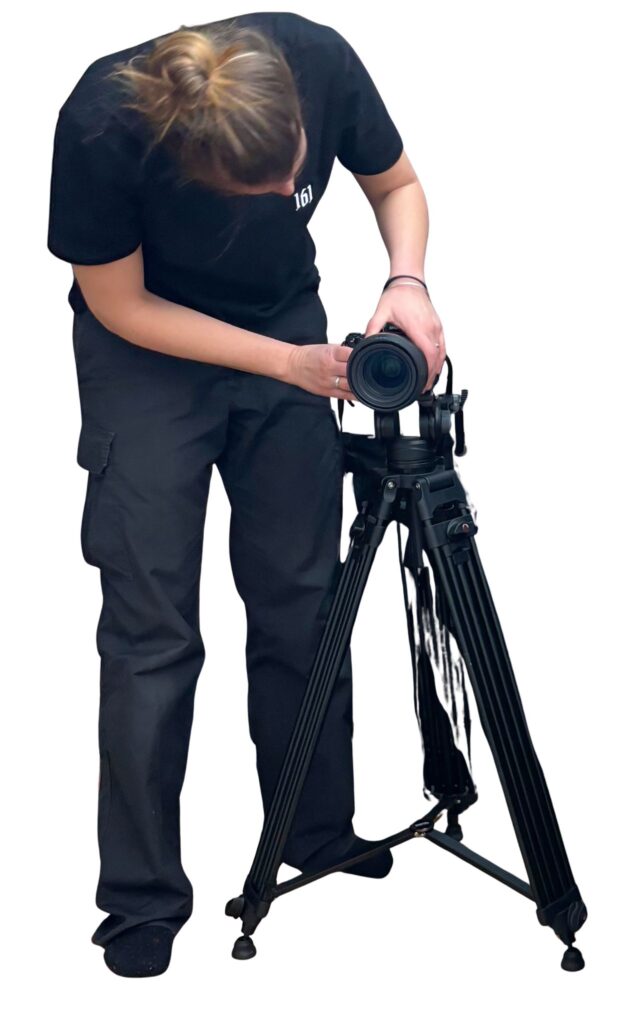
Before filming, think about the perspective you want.
One option is POV (point-of-view), where the camera shows the scene from a participant’s perspective. This can feel very intimate but may lead to shaky footage.
Using a wider angle can help reduce shakiness. Smartphones often have excellent image stabilization and may even perform better than handheld DSLRs in these situations.
If possible, filming with two cameras allows you to switch between angles during editing—wide shots, medium shots, and close-ups.
Avoid filming only close-ups. Wider shots help viewers understand what’s happening.
Multiple angles also make the final video more dynamic and help hide small editing mistakes.
However, keep in mind that more footage leads to more work in post production and poses its own challenges (such as color matching).
6 – Audio: Often Overlooked but Important
Audio quality is often underestimated in DIY productions.
Built-in camera microphones are usually not sufficient. An external microphone can significantly improve the overall quality of your production.
You can use a directional microphone attached to your phone or camera, or a field recorder placed near the action.
Avoid placing recorders near humming or squeaking objects like bed frames or refrigerators. Close windows and turn off music, air conditioning, and other background noise.
Always perform an audio test to adjust the recording level and ensure both loud and quiet sounds are captured properly.
7 – Legal and Platform Considerations
If you plan to publish your video, make sure no copyrighted materials appear in the recording.
Avoid recording music and remove photos, paintings, branded items, or other objects that may require licensing.
It’s also recommended to remove stuffed toys or dolls, as some platforms reject content that could be associated with minors in any way.
8 – During the Shoot: Forget the Camera
Try to forget about the camera during the scene.
If it’s set up on a tripod and recording a wide shot, you probably don’t need to check it every few minutes. Constantly looking at the camera can break the immersion of the scene.
An exception would be if you intentionally interact with the viewer.
9 – Editing Your Film
After filming, the real creative work begins: editing.
Free programs like DaVinci Resolve or CapCut are often enough to get started. You can organize, trim, and combine your footage there.
Online tutorials can quickly teach you the basics of cutting clips, assembling scenes, adding transitions, and making simple color corrections. AI is not advised for guidance, as it does not always have access to the current versions of your editing software and may fabricate wrong instructions.
10 – Storing Your Footage Safely
Be careful when storing or transferring your files. Many cloud providers have strict no-porn policies and may block accounts that upload adult content.
We will discuss safe storage options in another article.
Your First Porn Film Doesn’t Have to Be Perfect
Your first shoot doesn’t have to be perfect.
With some preparation, thoughtful lighting, and a bit of experimentation with camera angles, you can achieve strong results even with minimal equipment.